January 19, 2026
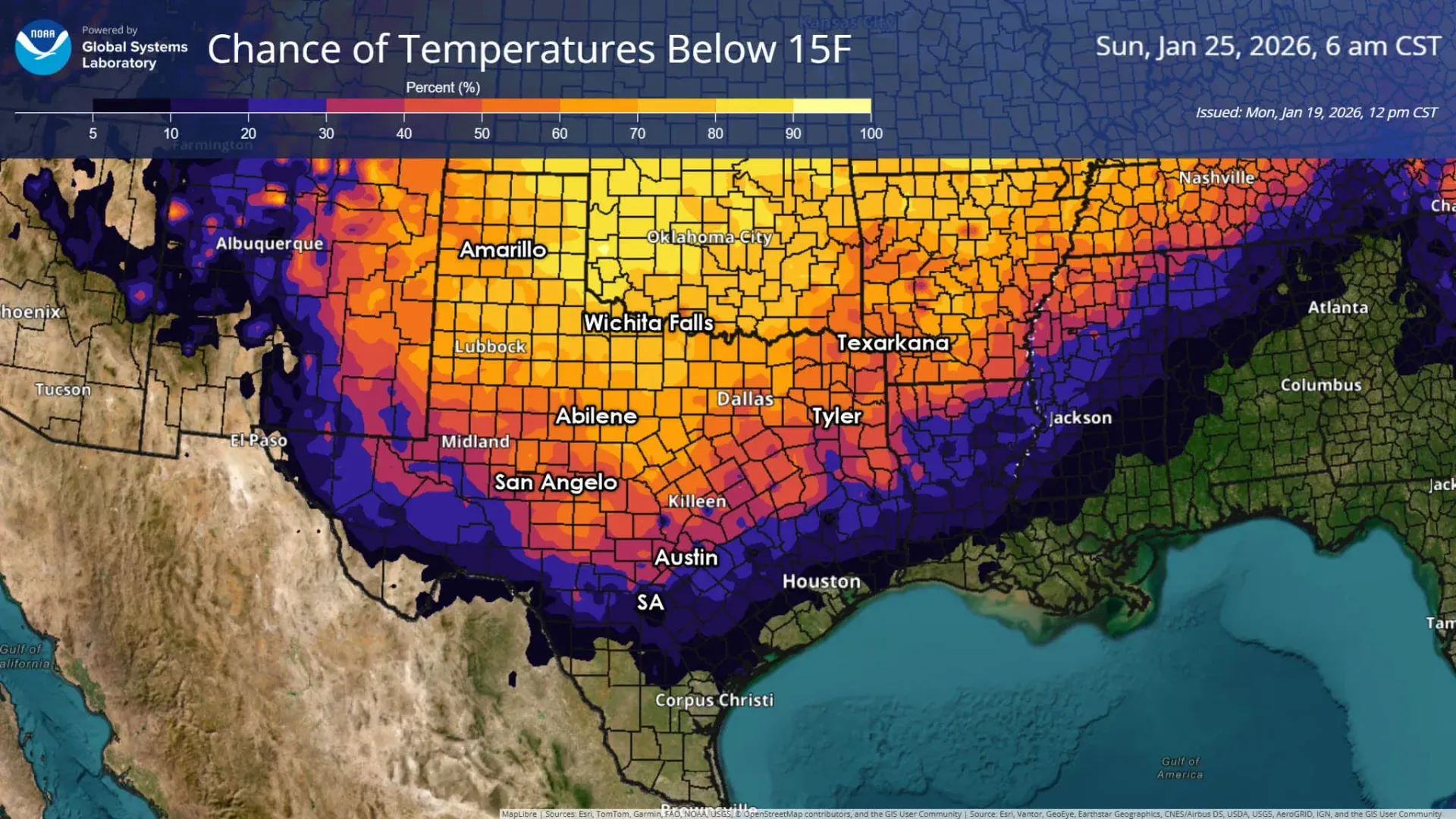
Surprise! Our North Texas weather is at it again… One day the forecast shows weeks of mild temperatures and low precipitation, and then BAM! Storm warnings for Snow-pocalypse 2026, hitting the Dallas-Fort Worth Metroplex in just a few days. This weekend has the potential to bring disruptive cold and winter weather, especially across the northern half of the state. We’ve had a few cold nights, but this system looks like it may have us below freezing for several days. Now is the time to start paying closer attention to forecasted temperatures and precipitation, reviewing weekend plans, and preparing for cold weather impacts. What’s the difference between frost and freeze? You may be wondering: What’s the difference between a frost, a freeze, and a hard freeze? Frost is when the temperature drops between 31 and 33 degrees Fahrenheit. Below 31 degrees is considered a freeze, and anything under 26 degrees is a hard freeze. What does the cold weather do to my plants? Evergreens and hardy perennials have built-in cellular, chemical, or structural adaptations or dormancy cycles to protect them from winter weather. Cold temperatures affect the cell walls of plants, causing the water inside to expand and contract. While the plant may look fine in the morning with just a touch of white frost, the cell wall will collapse once it warms back up, causing the leaves to quickly decay. Delicate buds and petals can brown or blacken. Popular plants in our area landscapes, such as cosmos, begonias, geranium, salvia, dahlias, zinnia, and basil, call for protection when even a light frost is in the forecast. Quite a few North Texas favorites are tough enough to handle frost, and even a light freeze, but will suffer damage or death in a hard or prolonged freeze, requiring cover or relocation to the indoors. Included in that list are dianthus, sweet pea, miniature rose, calendula, stock, snapdragon, and rosemary. Pansies, violets, ornamental cabbage, sedum, and sage are tougher, but still need protection in the freezing conditions that we are expecting this weekend. How do I protect my plants from a freeze? 1. Water Plants Thoroughly Water your plants well, 24 - 48 hours before a predicted freeze. Moist soil acts as an insulator, absorbing more warmth from the sun during the day and releasing heat more slowly at night than dry soil would. • Best Practice: Water in the morning or early afternoon so the soil can soak up sunlight before temperatures drop. 2. Move Potted Plants The easiest way to protect container plants is to relocate them to a more sheltered environment. • Indoor Options: Move pots into a garage or shed. • Outdoor Strategy: If you cannot move them inside, cluster them together against a south-facing wall of your house to share and trap heat. 3. Apply Thick Mulch Insulate the root zone of in-ground plants by applying 3 to 6 inches of organic mulch, such as wood chips, straw, or pine needles. • Tip: Keep mulch a few inches away from the plant’s stem to prevent rot while still protecting the root system. 4. Use the Tent Method When covering non-portable plants, your goal is to trap heat radiating from the earth. • Materials: Use breathable fabrics like frost cloth, old bed sheets, burlap, or blankets. • Avoid Using Plastic: Never let plastic touch the foliage, as it can transfer freezing temperatures directly to the plant and cause "burns" to the leaves. If using plastic, place a layer of cloth underneath it. • The Setup: Drape the cover completely to the ground and anchor the edges with bricks, rocks, or soil to seal in the warmth. Think "tents, not lollipops"— do not wrap the cloth tightly around the trunk. • Schedule Professional Frost Protection Service from Landscape Systems Garden Center! Complete this form to have one of our professional landscaping crews create custom frost protection for your plants. Installation appointments are limited and will be booked on a first-come, first-served basis, and will be performed the day before the weather front arrives. When should plants be uncovered? Remove coverings soon after the temperature rises above freezing and the danger has passed. If you’ve hired Landscape Systems to cover your plants for you, the crew will return to your property when the temperatures rise above freezing to carefully remove and fold your frost coverings for future use. Which plants need to be protected? Plants that require freeze protection are typically those with high water content in their cells or those native to warmer climates. Prioritize protecting the following categories: 1. Tropical and Subtropical Plants These are highly sensitive to cold and can suffer damage even in a light frost. • Flowers : Hibiscus, bougainvillea, and bird of paradise. • Fruit Trees: Citrus (especially lemons, limes, and young saplings), bananas, and avocados. • Foliage: Palm trees (specifically young or dwarf varieties), ferns, and elephant ears. 2. Warm-Season Vegetables and Herbs These plants will often die back completely if not covered during a freeze. • Vegetables: Tomatoes, peppers, eggplants, cucumbers, squash, and corn. • Herbs: Basil (extremely sensitive), cilantro, and dill. 3. Tender Annual Flowers Summer flowering annuals lack the cell structure to survive freezing temperatures. • Common varieties: Marigolds, zinnias, petunias, begonias, impatiens, and geraniums. 4. New or Young Growth Even plants that are normally cold-hardy need protection when they are young or newly planted. • Saplings: Young fruit trees (peach, apple) and recently planted shrubs like boxwoods or azaleas. • Established plants with new shoots: Early Spring blooms or tender new growth on roses and crepe myrtles can be damaged by late-season freezes. 5. Succulents and Container Plants • Succulents: Most succulents have high water content in their leaves, which can freeze and cause the plant to collapse. • Anything in a Pot: Container plants are more vulnerable because their roots are not insulated by the mass of the earth. Plants That Generally Do Not Need Protection* Many cool-season plants thrive in cold weather and can handle light to moderate frosts* but need covering in a hard freeze: • Vegetables: Kale, cabbage, spinach, carrots, and onions. • Flowers : Pansies, violas, snapdragons, and ornamental kale.










Share On: